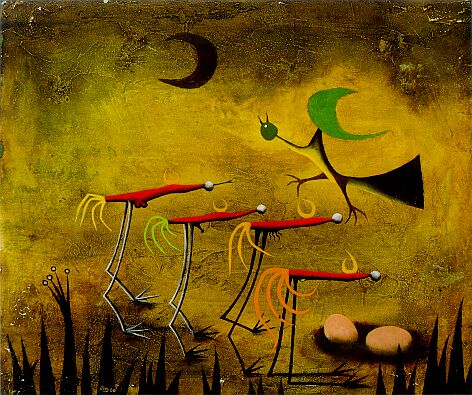
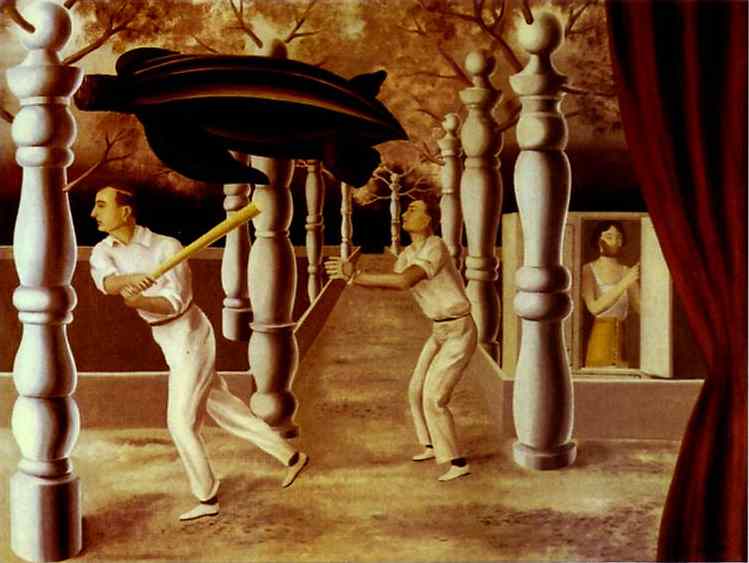
By René Magritte. “The Secret Player” 1927. Oil on canvas. 152 x 195 cm. Private collection. From abcgallery.com
So…when Budget Secretary Nonoy Andaya, Cabinet member, alter-ego of the President, and a lawyer, was called in and allowed into the executive session to give legal advice; or to lend legal assistance; to former NEDA director Romy Neri (according to the Inquirer, Juliet Javellana) was he……acting as Romy Neri’s lawyer? Or as the President’s lawyer?
Or as Malacañang’s “eyes and ears”? (forgive me for the phrase “eyes and ears”, that seems to be a law-enforcement criminal-case term, but I have a really small vocabulary, you know); or as the “point-guard” of the Palace in handling Romy Neri? (forgive me for the term “point-guard” that seems to be a gaming term but as I said, small me, small vocabulary), or as the executive staff’s “informant”? (forgive me, another criminal- case term, small me, small vocabulary), or as Romy Neri’s “warden” ? (another criminal-law term, I will replace it once I find another word…)
What constitutes practice of the profession (law profession)?
The following have been considered practice of the profession: 1.appearing in court; 2.appearing in quasi-judicial agencies as lawyer; 3.signing pleadings and motions; 4.giving legal advice; 5. teaching law has also been ruled upon as “practice of the profession” when a law professor was appointed to the Comelec; etc.
So, giving legal advice and legal assistance in a Senate investigation constitutes practice of the profession. (Giving legal advice to a client is probably different from giving your advice to the President as his Cabinet secretary). Was Cabinet secretary Nonoy Andaya acting as Romy Neri’s lawyer?
You know what…. He’s not allowed. He’s not allowed to practise his profession. He knows it, you don’t see him lending his name to law offices or appearing in court.
Here’s the constitutional provision:
“Art. VII. Section 13. The President, Vice-President, the Members of the Cabinet, and their deputies or assistants shall not, unless otherwise provided in this Constitution, hold any other office or employment during their tenure. They shall not, during said tenure, directly or indirectly, practice any other profession xxx”
In other words, Cabinet secretaries are not allowed to practise their profession (except of course as, for instance, government lawyers who represent the government or the People in criminal cases, or as presidential legal counsel who gives advice on matters of the State; when they give advice to protect the President’s personal interest or that of the First Family, they do that as partymates or individuals who share the President’s personal interests).
So, in what capacity was he there?
Would you be able to ask him what instructions were given him when they were game-planning this scenario? If he was acting as the President’s lawyer, would he be able to invoke attorney-client; I guess not; but he would invoke executive privilege.
What were the instructions? Not to worry, everything will go on recess next week, and forgotten.