

on mobile, tap “Listen in browser”
WordPress Daily Writing Prompt: Q: List your Top 5 grocery items
Answer: Apples, water, milk, wine, and a Paul Cézanne
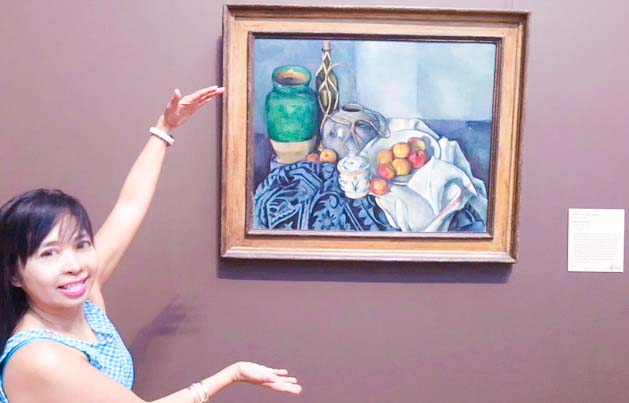
Still Life with Apples by Paul Cézanne, 1893
Paul Cézanne (French, 1839–1906), Still Life with Apples, 1893-94, oil on canvas, 65×4 x 81.6 cm (25.7 x 32.1 in), The Getty.
and everything organic…
organic carrot noodles,

organic katurai or vegetable hummingbird flowers, very rare,

and … santol fruits (cotton fruits) naturally fallen
(of the gravity series of this blog),
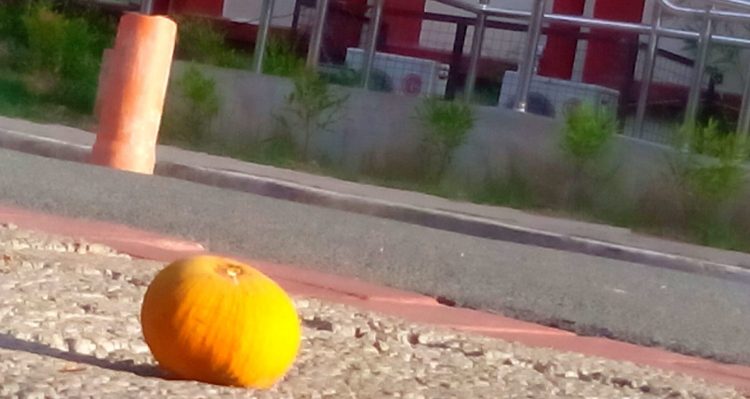
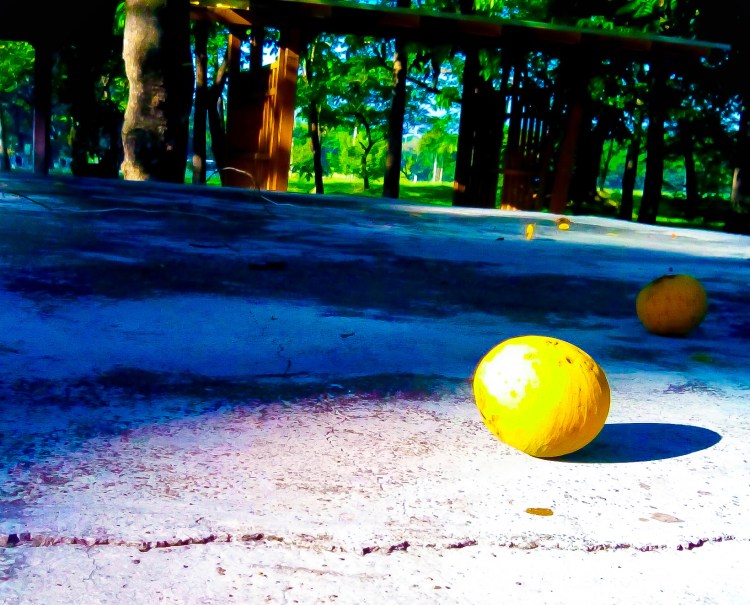
photos of natural fruits and vegetables in this entry by blog admin
The Guardian on Paul Cézanne :
“For 500 years, western artists pictured the world stretching away in perspective, until Cézanne turned his table upwards and shoved it in your face. His paintings are made of parallel planes of colour, that can look like a traditional perspective “view” from a distance, yet turn out to be a flat arrangement up close. This was a bomb in the heads of Picasso and Braque who, from about 1908, experimented with Cézanne’s implosion of space to produce cubism. In a cubist painting Cézanne’s planes get a further mashing to make you see that reality is not a picture at all, it’s a mayhem we pretend to make sense of.
“Cézanne changed art’s relationship with the physical world. Before he painted his apples, artists tried to capture a general view of reality in which every object is part of a bigger picture. But Cézanne dwells like a fetishist on individual things that he grasps with a mental fist. This twists the ancient genre of the still life into something much more atomised and brutal. It led within a few years of his death to Marcel Duchamp inventing the “readymade”, asserting that an artist doesn’t have to paint or sculpt but can simply “choose” something, just as Cézanne chose his pieces of fruit.
“Picasso revolutionised art when he turned faces into masks – but he got this idea from Cézanne whose Bathers have faces seemingly hewn from wood. Cézanne saw them as masks, perhaps because he was socially distanced: even his wife seems locked in a porcelain Japanese mask in his portraits. His self-portraits, too, see himself from outside; he was a stranger to himself. This sense of alienation may be his biggest modern idea. It helped shape not just art but 20th century literature and philosophy in its sense of the isolated, imperilled, unstable self.
“Cézanne was the godfather of modernism from the 1910s to 1950s, but when it gave way to postmodernism he seemed to become a more remote ancestor. Yet it is astonishing how much his fractured view of reality anticipated a TV and digital age of pixellated images, bytes of information, flickering screens. The digital artist Cory Arcangel and the pop artist Richard Hamilton are among those who have applied a Cézanne-like vision to today’s media. But our whole fragmented infosphere is already there in Cézanne’s 1902-6 painting of Mont Saint-Victoire from the Philadelphia Museum of Art with its crushed chunks of information pulsing in an electric sky as dense and complex as our lives.”
From: Jones, Jonathan. “Six reasons why artist’s artist Paul Cézanne is hailed as ‘greatest of us all’”. The Guardian, 30 Sep 2022. Retrieved from: https://www.theguardian.com/artanddesign/2022/sep/30/cezanne-artists-artist-picasso-admired-tate-moder