On mobile device, pls click “Listen in browser” on the soundcloud pod below to play today’s theme:
Serious ethical & legal breaches: 400,000 Filipino schoolchildren vaccinated with Dengvaxia before conclusion of clinical trials without informing them of risks
400,000 Filipino schoolchildren, mostly in Grade 4, were vaccinated with Dengvaxia in 2016, and, if never exposed to dengue before the vaccination, are now rendered more vulnerable to more severe strains of dengue and other diseases. This disclosure was made by the drug manufacturer itself, Sanofi, after clinical trials this year. For 3.5 billion pesos, the Philippine government purchased and administered Dengvaxia despite warnings from well-known medical experts that the clinical trials have not been concluded, thereby making the drug still experimental. (DOH today suspended the vaccination program but without any clear data on who among the 400,000 schoolchildren vaccinated are now in danger of acquiring more severe forms of diseases – and without any clear preemptive measure except “to monitor” — how do you monitor when you don’t know which of the 400,000 schoolchildren are in danger ) There are serious ethical and legal breaches here on the part of the then Department of Health officials when they administered the vaccine despite early research data of its risks (see early medical advice below). If only Filipino families knew their rights, the 2016 Department of Health officials would now be inundated. Here is a sample of the early, dire warnings from other medical experts issued against Dengvaxia last year: From GMA News in April 2016: “Dr. Teodoro Herbosa, former DOH undersecretary, told GMA News Online (April 7, 2016) that using the dengue vaccine, Dengvaxia, without a recommendation from the World Health Organization’s Strategic Advisory Group of Experts (WHO SAGE) may endanger children instead of saving them. “With this haste, we are putting our children at risk because their data shows a waning of the vaccine effects after two years and exposing the child to ADE or Antibody Dependent Enhancement of the disease,” Herbosa explained. “Meaning, children who will get dengue in the future may have more serious disease,” he continued. Waiting for a recommendation from WHO SAGE, Herbosa claimed, is “prudent and wise” and is aligned with the decision of other countries waiting for more information on Dengvaxia. “Twenty countries were offered the vaccine. Only 4 decided to register it: Mexico, Philippines, Brazil, and El Salvador. Many countries refused it and will wait for more Phase three data results,” he said. Dengvaxia is a tetravalent vaccine taken in three shots at six-month intervals and its administration is recommended for individuals aged between 9 and 45. Herbosa claimed that post-marketing studies or surveillance is usually carried out in physician-supervised batches for three to five years to “catch and report adverse reactions.” “When we implemented this school-based immunization, we lose that supervision by a physician. Several drugs in the past have been withdrawn even after safety studies in Phase Three,” he explained. Herbosa claimed that some like-minded professionals are “seriously considering” on laying down charges against DOH officials for the dengue vaccination program. “We can still wait for the WHO SAGE guidelines and proceed from there,” he said. Health Secretary Janette Garin and spokesperson Lyndon Lee-Suy were reached for comments but have yet to respond as of posting time. — BAP, GMA News last April 7, 2016”
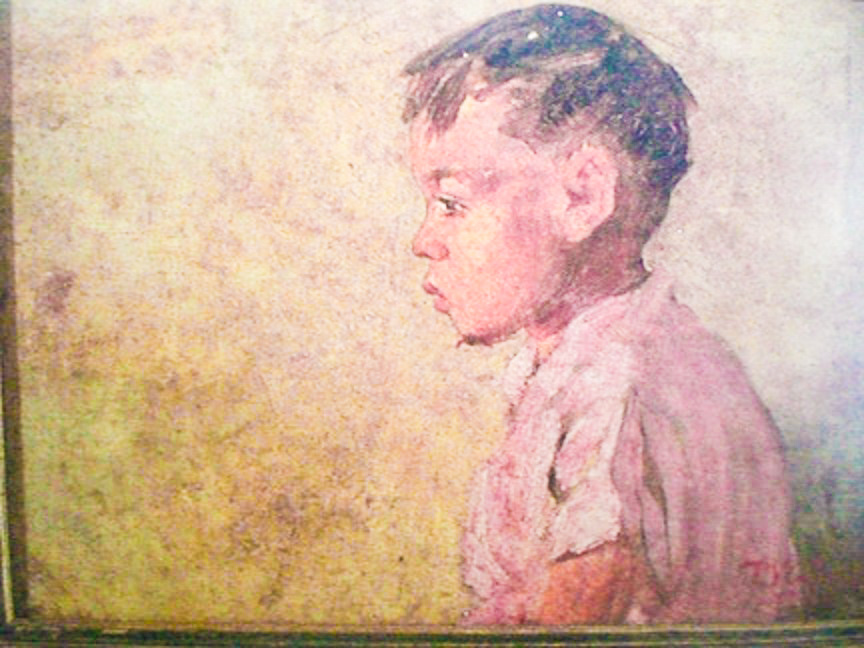
(image by Pedro Coniconde, as stated in the archives, used here non-commercially for academic purposes)

 “Twenty countries were offered the vaccine. Only 4 decided to register it: Mexico, Philippines, Brazil, and El Salvador. Many countries refused it and will wait for more Phase three data results,” he said.